Avoiding the "Uncanny Valley" in AI Face Swapping Streams
Avoiding the "Uncanny Valley" in AI Face Swapping Streams
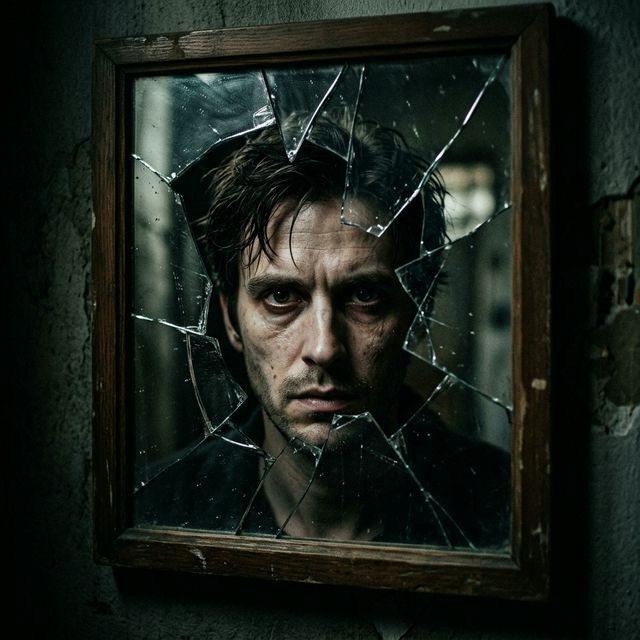
The "Uncanny Valley" is a psychological phenomenon where human replicas (robots or 3D animations) appear almost exactly human, but possess tiny, imperceptible flaws that trigger profound revulsion and unease in the brain. Deepfake streaming intrinsically lives on the precipice of this valley. If your Deep Live Cam output makes viewers uncomfortable rather than entertained, you have failed the Turing Test of aesthetics.
The Dead Eyes Syndrome
The most common trigger for the Uncanny Valley is "dead eyes." When the neural network executes the facial swap, it often struggles intensely with specular highlights (the tiny white reflections of light bouncing off the pupil). Without those dynamic wet reflections, the eyes look like painted wooden dolls. Furthermore, the AI rarely fully closes the eyelids seamlessly, resulting in terrifying "micro-blinks."
To fix this, utilize a ring light. Forcing a massive reflection onto your physical eye guarantees the AI has high-contrast geometry to track and paste onto the digital mask, restoring life to the eyes.
The Skin Texture Discord
Another major trigger is "porcelain skin." If your source image is an over-edited Instagram model with zero pores, the Deep Live Cam face will look like smooth plastic. When this plastic face is stitched onto your physical neck (which has natural shadows, wrinkles, and stubble), the contrast is psychologically jarring. Always use highly detailed, sharply textured human faces as your inputs. Flawed, human asymmetry is the definitive cure to the Uncanny Valley.


