The Ethics of AI: Using Dead Actors' Faces in Movies with Technology
The Ethics of AI: Using Dead Actors' Faces in Movies with Technology
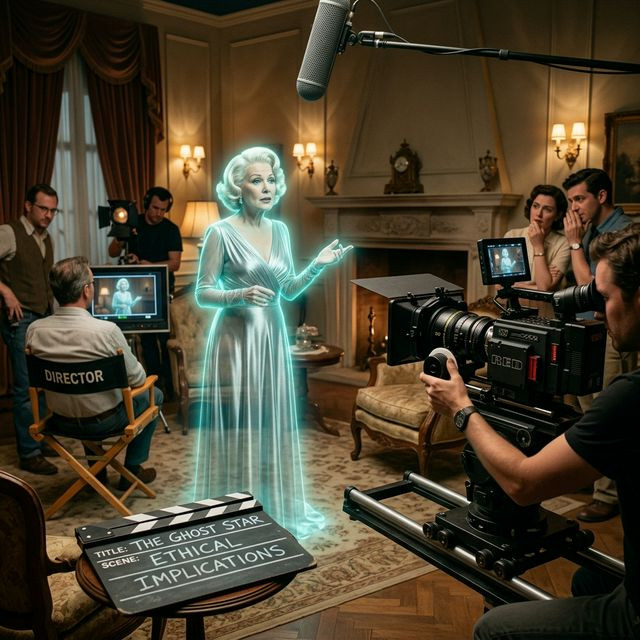
Generative AI is colliding violently with Hollywood employment law. As software like Deep Live Cam proves that generating photorealistic facial replacements costs virtually nothing compared to traditional CGI, massive studios are eyeing an unsettling reality: Why hire an expensive, demanding living actor when you can simply purchase the optical rights to a deceased legend and deepfake them onto a stunt double?
The Digital Necromancy Debate
We have already seen prominent examples in blockbusters—CGI resurrections of Peter Cushing in Star Wars or Paul Walker in Fast & Furious. But those required entire teams of animators. Today, a solo independent filmmaker can use an open-source zero-shot tool on a gaming laptop to map Marilyn Monroe's face perfectly onto an actress in a modern indie film.
Legally, "Personality Rights" dictate who inherently owns the structural geometry of a human face after death. If an estate signs away those rights, studios can theoretically cast deceased actors in sequels filmed 50 years after they died.
The Integrity of the Performance
Beyond capitalistic intent, the ethical dilemma strikes at the heart of cinematic art. A performance is not just a facial shell; it is micro-expressions, soul, and human reaction. A deepfake relies on an entirely different human "puppet" driving the mask. The AI assumes the aesthetic identity, but arguably hollows out the emotional truth of the performance. As this open-source technology matures, society must rapidly codify boundaries regarding consent, digital ownership, and bodily autonomy post-mortem.


