Deep Live Cam vs Traditional Deepfakes: Why Real-Time AI is the Future
Deep Live Cam vs Traditional Deepfakes: Why Real-Time AI is the Future
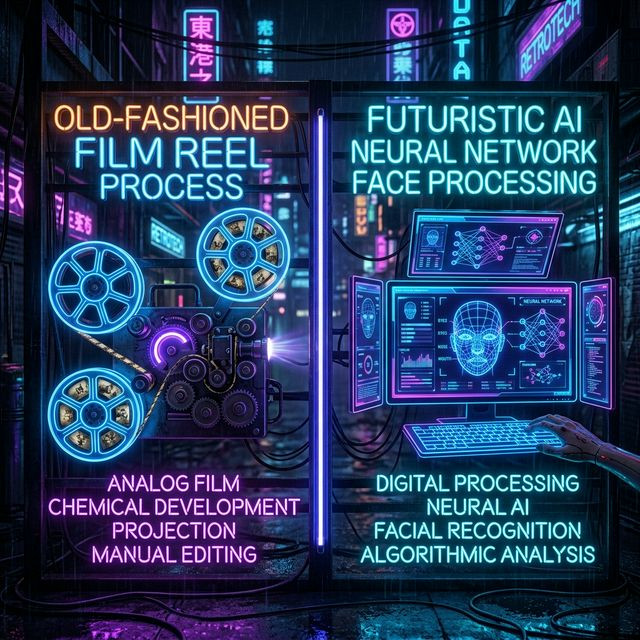
For years, creating a convincing deepfake meant hours of agonizing render times, complex Python scripts, and a requirement for enterprise-grade server farms. The process was entirely offline. You recorded a video, extracted every single frame, ran it through a neural network like DeepFaceLab for 48 hours, and manually matched colors in post-production. It was an art form reserved for highly technical VFX artists.
Enter the Era of Real-Time Processing
The introduction of Deep Live Cam has shattered this paradigm. By leveraging insanely optimized TensorRT algorithms and direct CUDA core manipulation, Deep Live Cam processes facial geometry and texture mapping in less than 33 milliseconds. This means it hits the golden standard of 30 Frames Per Second (FPS)—in absolute real-time.
Why does this matter? Because offline rendering is dead for content creators. If you are a VTuber, a Twitch streamer, or a digital marketer hosting live webinars, you cannot afford to wait two days for a render. Real-time AI face swapping allows you to put on a digital mask instantly, responding to your audience live while maintaining complete anonymity or projecting a synthesized persona.
The Demise of Complicated Workflows
Traditional deepfakes required massive datasets (thousands of images of the source and target faces) to train a specific model. Deep Live Cam revolutionizes this with Zero-Shot face swapping. You provide a *single* high-quality photograph, and the neural engine instantaneously understands the depth, texture, and contours of that face, mapping it seamlessly onto your webcam feed.
Whether you're exploring creative filmmaking or maintaining digital privacy, the era of overnight rendering is over. Real-time AI is not just the future; it is the definitive present.

