The Ethics of AI Face Swapping: Legal Boundaries and Responsible Use
The Ethics of AI Face Swapping: Legal Boundaries and Responsible Use
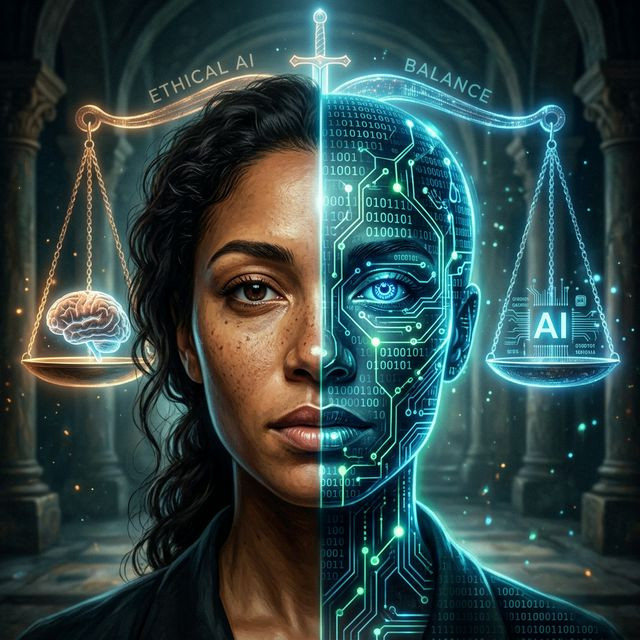
Technology itself is inherently neutral; it is merely a catalyst amplifying human intent. Deep Live Cam represents democratization of Hollywood-tier visual effects. It is a masterpiece of open-source coding. However, the ability to clone and manipulate a human face in real-time inherently carries massive ethical and legal ramifications that must be navigated with extreme caution.
The Legal Landscape of Digital Identity
As of 2026, nations across the globe have fundamentally updated their legal frameworks regarding digital mimicry. The core legal concept being debated is the "Right to Publicity" and digital likeness rights. Using a celebrity's face in a Twitch stream for satirical or parody purposes is heavily protected under fair use doctrines in North America. The context, intent, and disclaimer surrounding the broadcast are the legal shields.
However, crossing the boundary into unauthorized commercial endorsement (making it appear as though a celebrity is endorsing a product they didn't) or impersonation intended to defraud (social engineering attacks via video call) carries severe criminal penalties. The AI is a tool; fraud is a crime.
The Zero-Tolerance Developer Stance
The developers behind robust architectures like Deep Live Cam maintain absolute zero-tolerance policies regarding malicious use. The software is strictly engineered for creative expression, anonymity via artificial faces, parody, and entertainment.
A responsible user adheres to three golden principles:
- Transparency: If an audience might be genuinely confused, clearly label the broadcast as AI-generated parody.
- Consent: Never map the face of a private citizen (a non-public figure) without their explicit, written consent.
- Respect for Boundaries: Utilize the technology to enhance creativity, protect one's own privacy (by using generated anonymous faces), and push artistic limits without causing collateral damage to reputations.
As the AI revolution fully integrates into our daily lives, maintaining the ethical high ground ensures these incredible open-source tools remain freely accessible to everyone.

