The Future of VTubing: AI Photorealism vs Traditional 2D Avatars
The Future of VTubing: AI Photorealism vs Traditional 2D Avatars
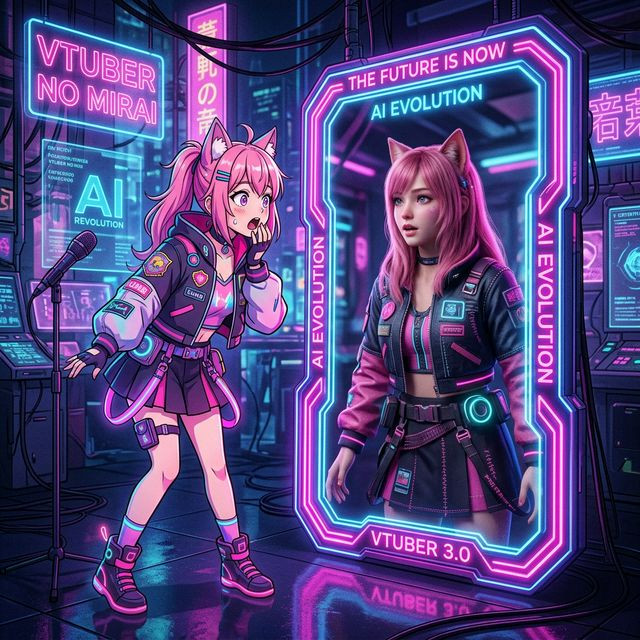
The VTuber (Virtual YouTuber) industry is a multi-million-dollar behemoth dominated by anime-style 2D Rigging (Live2D) and Unity-based 3D models. However, the introduction of Deep Live Cam has spawned a brand-new, terrifyingly efficient competitor: Photorealistic AI streaming. Will AI completely annihilate the traditional VTuber market?
The Cost of Barrier to Entry
Commissioning a high-quality, fully rigged Live2D model from an artist can easily cost between $1,000 and $5,000. It requires months of iteration. Rigging physics (hair bouncing, eye tracking parameters) is agonizing work based on manual mathematics.
Deep Live Cam drastically obliterates this financial barrier. A creator can generate a stunningly gorgeous, photorealistic human face using Midjourney for $10, feed it into the software, and instantly possess a fully-rigged, 100% functional, lip-syncing avatar. The return on investment heavily favors AI.
The Anime Aesthetic Dominance
Despite the cost advantage of AI, traditional 2D VTubers will survive because they serve an entirely different market. Audiences watch anime avatars precisely because they are *not* real. The charm lies in the exaggerated expressions, cartoonish reactions, and suspension of disbelief.
Photorealistic AI avatars push hard against the boundaries of the uncanny valley. They are fundamentally suited for creators who want to build a "Lifestyle" brand but maintain physical anonymity, whereas 2D avatars remain the absolute kings of gaming and otaku culture. The future of streaming isn't displacement; it is a split ecosystem where "AI-Tubing" runs alongside traditional VTubing.

